Bathroom Remodel Cost
National planning ranges, September 2026: refresh $3,000–$8,000, midrange full bath $10,000–$25,000, upscale primary $30,000–$60,000+. Roughly $70–$250 per square foot. Here is what moves you within each tier.
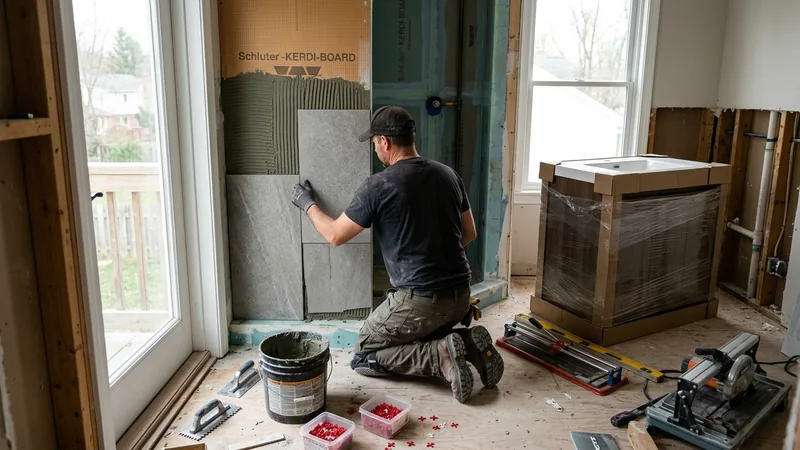
Midrange full bath (5 x 8 ft), layout unchanged, September 2026
$10,000 – $25,000
Cosmetic refresh: $3,000–$8,000. Upscale primary bath: $30,000–$60,000+. Moving plumbing adds $1,500–$5,000.
Published averages diverge here because "remodel" means anything from a new vanity to a gut. Angi's 2026 data reports an average of about $12,150 with most projects between $6,650 and $17,650, and Fixr lands at $6,000–$18,000 with a $12,000 average, while contractor-side data for full gut remodels in metro markets runs $20,000–$32,000. Both are right: the low figures blend in partial makeovers, the high ones describe a full tear-out with tile and a new shower. Decide which scope you are buying before comparing quotes.
Cost by tier, installed
| Item | Range | Notes |
|---|---|---|
| Cosmetic refresh | $3,000 – $8,000 | New vanity and faucet, toilet, lighting, mirror, paint, maybe a vinyl plank floor. Tub and tile stay. Two to five days |
| Midrange full bath, layout unchanged | $10,000 – $25,000 | Gut to studs. New tub or tiled shower, tile floor, vanity with stone top, toilet, fan, lights. The Cost vs Value benchmark. Two to four weeks |
| Midrange with tub-to-shower conversion | $14,000 – $30,000 | Adds a tile pan or acrylic base, waterproofing and a glass door; curbless entries cost more |
| Upscale primary bath | $30,000 – $60,000+ | Larger footprint, freestanding tub plus walk-in shower, double vanity, heated floor, custom tile. Four to eight weeks |
| Half bath (powder room) | $3,000 – $10,000 | No wet area, so it is mostly fixtures, tile and finish quality |
What drives the price
| Driver | Impact | Notes |
|---|---|---|
| Moving plumbing | +$1,500 – $5,000 | Relocating a drain means opening the floor or the ceiling below. Keeping the toilet and drains where they are is the cheapest decision in the project |
| Shower and tub choice | $1,500 – $12,000 swing | An acrylic tub-and-surround kit installs in a day; a custom tiled shower with a mud pan, niche, bench and frameless glass is a week of skilled labor |
| Tile and labor rate | $10 – $50+ per sq ft installed | Large-format, mosaic and pattern layouts cost more to set than the tile itself. Tile setters are the scarcest trade in 2026 |
| Fixtures and finishes | $1,000 – $10,000+ | A builder-grade vanity is $300; a custom double vanity with quartz is $3,000–$6,000 before plumbing |
| Electrical and ventilation to code | $500 – $2,500 | GFCI circuits, a properly ducted exhaust fan and modern lighting are often required once walls are open |
| Hidden damage | $500 – $5,000 | Rot under a tub, a leaking drain or mold in the wall cavity. Ask for a per-hour or per-sheet rate for repairs in writing before demo |
| Permits and design | $200 – $2,000 | Most cities require permits for plumbing and electrical changes. Design fees run 5–15% on larger jobs |
| Region | ±25–40% | Coastal metros can double the labor line versus the rural Midwest and South |
What a midrange remodel actually buys
The Cost vs Value midrange bath is a useful yardstick because it is specified: a 5-by-7-foot bathroom with every fixture replaced, a 30-by-60-inch porcelain-on-steel tub with ceramic tile surround, a pressure-balanced valve, standard toilet, solid-surface vanity top, recessed medicine cabinet and ceramic tile floor. That is a solid, sellable bathroom, and it is what the $10,000–$25,000 band delivers. Everything above it, from a freestanding tub to porcelain slab walls, is a preference purchase.
Resale: the midrange tier wins
The 2025 Remodeling Cost vs Value report from Zonda and JLC found a midrange bathroom remodel recouped about 80% of its cost at resale, the highest since 2007 and up from roughly 74% a year earlier; upscale remodels and additions recover notably less. Remodeling to sell within a few years? Stop at midrange. Staying ten years? Buy the bathroom you want and treat resale as a bonus.
DIY vs pro
Demolition, painting, installing a vanity, swapping a toilet or faucet and hanging a mirror and lights are realistic homeowner tasks that can trim $1,500–$4,000 from a midrange job. Fixr estimates labor at 40–65% of the total, so sweat equity matters here more than in most rooms.
The wet area is where DIY goes wrong. Shower pans, waterproofing, shower tile, drain and vent changes and new circuits should go to licensed trades: a failed pan shows up as a ceiling stain a year later and costs far more than the labor saved. A practical split is to hire a contractor for plumbing, electrical, waterproofing and tile, and do the demo and finish work yourself, with that split agreed in writing.
Quick answers
How much does a bathroom remodel cost in 2026?
As of September 2026, plan on $3,000–$8,000 for a cosmetic refresh, $10,000–$25,000 for a midrange full-bath remodel with the layout unchanged, and $30,000–$60,000+ for an upscale primary bath. Angi and Fixr both report a national average near $12,000 with most jobs between about $6,500 and $18,000, or roughly $70–$250 per square foot.
What is the most expensive part of a bathroom remodel?
Labor, at roughly 40–65% of the total according to Fixr, and within that the wet area. A tiled shower with a new pan, waterproofing, glass door and valve is usually the single biggest line item, and moving the toilet, tub or shower drain adds $1,500–$5,000 before finishes. Keeping the layout is the cheapest decision you can make.
Does a bathroom remodel add home value?
Partly. The 2025 Remodeling Cost vs Value report found a midrange bathroom remodel recouped about 80% of its cost at resale, its best showing since 2007, while upscale remodels recovered noticeably less. Spend at the midrange tier if resale is the goal, and treat anything above it as money spent on daily use, not on the sale price.
Before you sign: get every allowance turned into a named product, the waterproofing method in writing, a hidden-damage rate, and a milestone payment schedule with no more than 10–30% down. Our guide to how to read a contractor quote covers the rest.