How Much Does a Roof Replacement Cost?
Before you sign a contract, understand how materials, labor, and hidden structural repairs shape your final roof replacement quote.
On this page
- TradeRoofing
- Read time6 min
- Data tables1
- StatusResearch updated 2026-09-24
Understanding Roof Replacement Costs
A roof replacement is one of the most significant investments you will make in your home. Nationally, homeowners spend an average of $10,000 on a roof replacement, with typical projects ranging from $7,500 to $14,000 according to Fixr. Other industry estimates, such as those from HomeGuide, place the average range between $5,700 and $16,000. If you are replacing a 2,000-square-foot asphalt shingle roof, This Old House reports an average cost of $15,439, with most projects falling between $6,885 and $23,993 depending on materials, roof complexity, and location.
When you receive a quote, it is rarely a single flat fee. A professional estimate breaks down into labor, materials, access challenges, and disposal fees. Understanding these components helps you determine whether a low bid is a genuine bargain or simply a sign of a smaller, incomplete job scope. If you are deciding whether your roof needs a full overhaul or just a quick fix, consult our guide on Roof Repair vs Replace.
Cost per Square by Material
Roofing contractors do not typically price jobs solely by interior home square footage. Instead, they measure your roof in "squares." One roofing square equals 100 square feet of roof surface area. The material you select is the single largest driver of your total project cost.
| Roofing Material | Material Cost per Square (Uninstalled) | Installed Cost per Sq. Ft. | Expected Lifespan |
|---|---|---|---|
| Asphalt 3-Tab Shingles | $80 – $130 | $3 – $5 | 15 – 20 years |
| Architectural Shingles | $100 – $250 | $4 – $6 | 20 – 30 years |
| Wood Shakes | $300 – $700 | $7 – $15 | 25 – 50 years |
| Metal (Steel/Aluminum) | $100 – $800 | $5 – $16 | 30 – 80+ years |
| Clay Tile | $300 – $2,500 | $7 – $25 | 30 – 100+ years |
| Slate / Stone | $600 – $1,600 | $10 – $30 | 50 – 200+ years |
Asphalt shingles remain the most popular choice, selected by 47% of homeowners in a 2026 This Old House survey due to their affordability and straightforward installation. While basic three-tab shingles are the cheapest option, many homeowners upgrade to architectural shingles. Architectural shingles are thicker and offer superior durability, pushing their lifespan closer to 20 or 30 years.
Premium materials like metal, clay, and slate carry higher upfront costs but offer exceptional longevity. Metal roofing, for instance, is highly durable and can last 50 years or more. Heavy materials like clay tile and slate require a structural engineer to verify that your home's framing can support the additional load.
Cost by Home Size and Stories
Your home's living space does not translate directly to your roof's square footage. A single-story home spreads its living space horizontally, resulting in a much larger roof footprint than a multi-story home of the exact same square footage. Additionally, roof pitch (steepness) and eaves add to the total surface area.
According to data from HomeGuide, here is how average replacement costs compare by home size for a single-story home with a standard pitch:
- 1,000 Sq. Ft. Home: Typically has 1,120 sq. ft. of roof area, costing an average of $3,500 to $6,700.
- 2,000 Sq. Ft. Home: Typically has 2,235 sq. ft. of roof area, costing an average of $6,700 to $13,400.
- 3,000 Sq. Ft. Home: Typically has 3,355 sq. ft. of roof area, costing an average of $10,100 to $20,100.
Tear-Off, Decking, and the Add-Ons
A standard roof replacement quote includes several phases of work. When reviewing a bid, look for these specific line items to ensure you are comparing identical scopes of work:
1. Roof Removal and Disposal
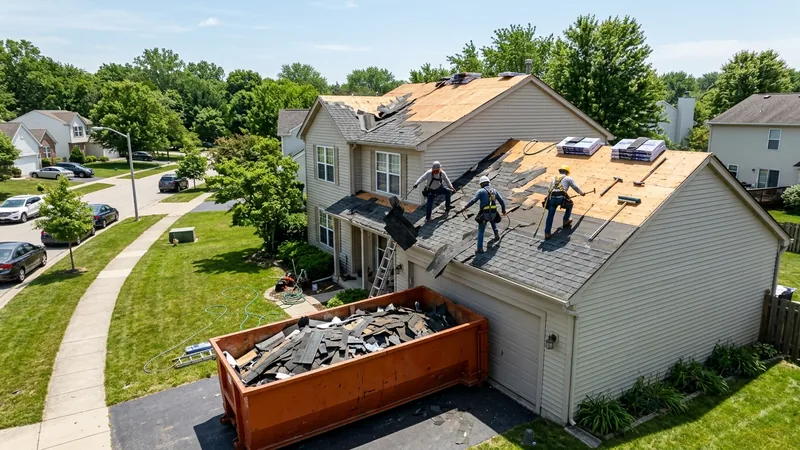
Tearing off and disposing of your old roof averages $50 to $150 per square. The price depends on the weight of the material and whether there are multiple layers of old shingles. While some building codes allow for an "overlay" (nailing new shingles directly over old ones), tearing off the old material allows the contractor to inspect the underlying structure for hidden damage.
2. Underlayment and Weatherproofing
Standard roofing felt is typically included in your base quote. However, if you live in a cold climate, you may need to upgrade to an ice and water shield, which costs about $0.50 per square foot (roughly $50 per square). In hot climates, adding proper roof vents or insulation can add $100 to $2,000 to the project.
3. Structural Repairs (The Change Order)
Once the old shingles are removed, your contractor might find rotted roof decking (sheathing) caused by historic leaks. Replacing damaged roof decking typically costs $2 to $8 per square foot. If there is significant rafter damage, repairs can add up to $5,000. This is where a "change order" occurs, which is an ordinary industry term for an agreement to pay for extra work that could not be seen during the initial inspection.
What Moves the Price?
Beyond materials and size, several physical factors will influence your contractor's labor rates:
- Pitch and Slope: Steeper roofs require specialized safety equipment, harnesses, and scaffolding. This slows down the installation process and increases labor costs.
- Complexity: Roofs with multiple valleys, hips, ridges, dormers, or chimneys require extensive flashing and custom cuts, which increases both material waste and labor hours.
- Access: If your home is multi-story or hard to access, a roofer will typically charge more for labor.
Regional Pricing
According to Fixr, location impacts your price due to local climate needs and labor rates. For example, metal roofs are common in snowy regions, while clay tiles are popular in hot climates. Additionally, homeowners in coastal and urban areas typically pay more than those in rural regions.
Insurance: What It Pays and What It Does Not
According to the Texas Department of Insurance, home insurance is designed to cover sudden storm, wind, hail, or tree damage. It will not pay for a new roof simply because your current one is old or worn out.
When buying or renewing a policy, pay close attention to these two terms:
- Replacement Cost Coverage: The insurer pays the full cost to repair or replace your roof at current market prices. They typically issue two checks: a partial payment upfront, and the remainder after repairs begin.
- Actual Cash Value (ACV) Coverage: The insurer pays less as your roof ages, factoring in depreciation. If an old roof is damaged, you will receive a significantly smaller payout, leaving you to cover the difference out of pocket.
Additionally, check if your policy has a separate, higher deductible for wind and hail damage, which is common in storm-prone regions.
Warranties: Two Documents, Not One
A reliable roofing job is backed by two distinct warranties. Do not assume one covers the other:
- Manufacturer's Warranty: Covers defects in the roofing materials themselves (such as shingles cracking prematurely). The length of this coverage depends on the product.
- Workmanship Warranty: Provided by the contractor, this covers installation errors (such as improper flashing that leads to a leak). Contractors with higher installation standards and longer warranties may charge higher labor rates.
How to Compare Bids
To protect your investment, never select a contractor solely on the lowest price. A low bid often indicates that the contractor has excluded essential steps like old roof tear-off, disposal fees, or quality underlayment.
Use this checklist when comparing quotes:
- Confirm that all bids are based on the exact same material grade and scope of work.
- Verify that local permit fees (typically $100 to $500) and disposal/dumpster fees are explicitly included.
- Ask how the contractor handles potential decking repairs and get their per-square-foot rate for plywood replacement in writing.
- Ensure the contractor is licensed, insured, and provides written details of both the material and workmanship warranties.
- If you are planning other exterior upgrades, consider coordinating projects to save on labor. For example, check our guide on Gutter Guard Cost to see if adding gutter protection during your roof replacement makes financial sense.
Quick Answers
How much does it cost to replace a roof on a 2,000 sq. ft. house?
On average, replacing a roof on a 2,000-square-foot house costs between $6,700 and $13,400 according to HomeGuide. The final price depends heavily on your roof's pitch, complexity, and the roofing material you choose.
Does homeowners insurance cover a new roof?
Insurance covers roof replacement only if the damage was caused by a covered peril, such as a storm, hail, or a fallen tree. It will not pay to replace a roof that has reached the end of its natural lifespan due to normal wear and tear.
What is the cheapest roofing material to install?
Asphalt 3-tab shingles are the most budget-friendly roofing material, costing between $3 and $5 per square foot installed. However, they have a shorter lifespan (15 to 20 years) compared to architectural shingles or metal roofing.
Compare two quotes on the same scope
Illustrative inputs. Add confirmed extras once; do not double-count items already included. This compares totals, not workmanship, licensing or contract terms.
Sources and research notes
Research checked 2026-09-24. Source comparison; this is a research synthesis. Findings attributed to other reviewers remain their work.
- How Much Does a Roof Replacement Cost in 2026? | Fixr.com
- How Much Does a Roof Replacement Cost? (2026)
- New Roof Cost Guide (2026)
- Insurance and your roof: What to know when buying a policy or filing a claim
What the evidence does not establish
- National average ranges are planning aids only and do not represent local contractor bids.
Keep reading
 Roofing
Roof Repair vs. Replace: Costs and Decisions
Compare the costs of roof repair versus full replacement. Learn when to patch, when to replace, and how to evaluate contractor quotes.
 Bathroom
How Much Does a Bathroom Remodel Cost?
Planning a bathroom renovation? Learn about average bathroom remodel costs, labor rates, material tiers, and ROI expectations to build an accurate budget.