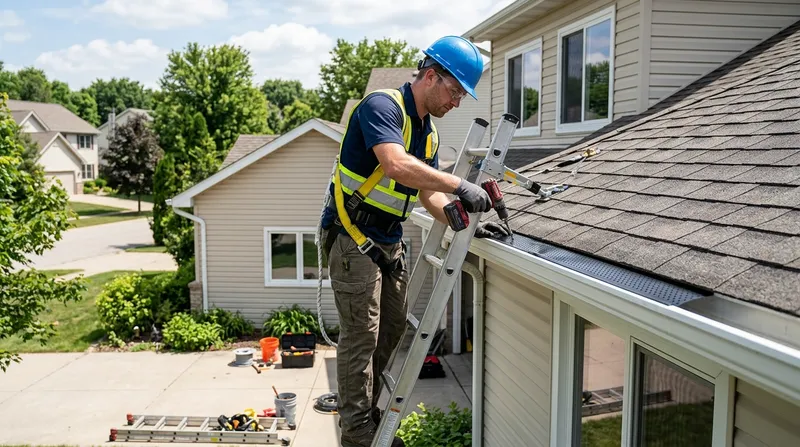
≈ $1,400–$4,500 for a typical 200-foot home · DIY materials: $1–$5/ft
Cost by Guard Type
| Guard Type | DIY Materials | Pro Installed | Best For |
|---|---|---|---|
| Brush / foam inserts | $1–$3/ft | $4–$7/ft | Tight budgets; need frequent cleaning |
| Snap-in screens | $1–$4/ft | $5–$10/ft | DIYers; moderate leaf cover |
| Micro-mesh | $3–$5/ft | $10–$20/ft | Best all-around; blocks pine needles |
| Reverse-curve / surface tension | Pro only | $15–$25/ft | Heavy rain regions; premium pick |
DIY vs Professional Installation
DIY ($200–$800 total) works well for single-story homes with snap-in screens or micro-mesh panels from a home center. Budget a full weekend, a sturdy ladder, and a healthy respect for heights.
Pro installation ($1,400–$4,500) includes measurement, custom fitting, gutter realignment, and usually a warranty. Get at least three quotes — gutter-guard franchises are notorious for high-pressure sales and inflated "today only" pricing.
Are Gutter Guards Worth It?
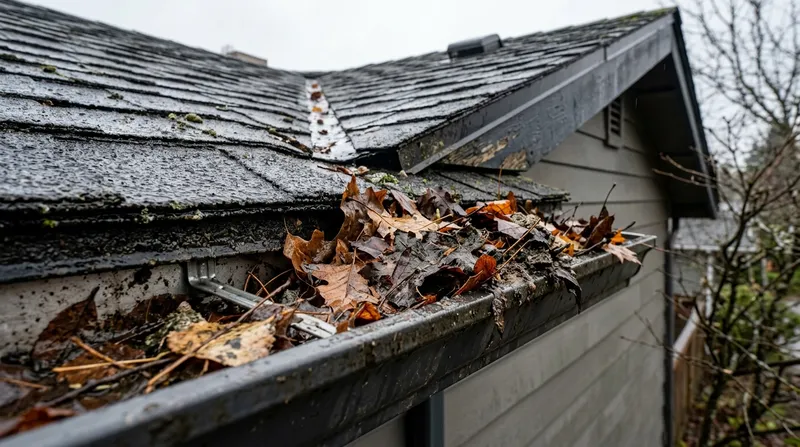
Do the math: professional gutter cleaning runs $150–$300 per visit, and tree-heavy lots need it twice a year. That's $300–$600/year — so a $2,000 guard system pays for itself in 3–5 years. Bonus benefits: fewer clogs means less fascia rot, foundation water damage, and ice-dam risk.
Skip them if: you have few overhanging trees, your gutters are already failing (replace those first), or you live in wildfire country where some inserts can trap embers — check local fire codes.
Frequently Asked Questions
How much do gutter guards cost per foot?
Professionally installed gutter guards cost $7–$25 per linear foot in 2026, or roughly $1,400–$4,500 for a typical 200-foot home. DIY snap-in guards cost $1–$5 per foot in materials.
Are gutter guards worth the money?
For homes under heavy tree cover, yes — they pay for themselves in 3–5 years versus $150–$300 per professional gutter cleaning twice a year. Homes with few trees may not need them.
What is the best type of gutter guard?
Micro-mesh guards offer the best balance of debris blocking and water flow for most homes. Reverse-curve guards handle heavy rain best but cost the most; brush and foam inserts are cheap but clog fastest.